“You don’t have to be great to begin, but you have to begin to be great.” (byZig Ziglar quote)
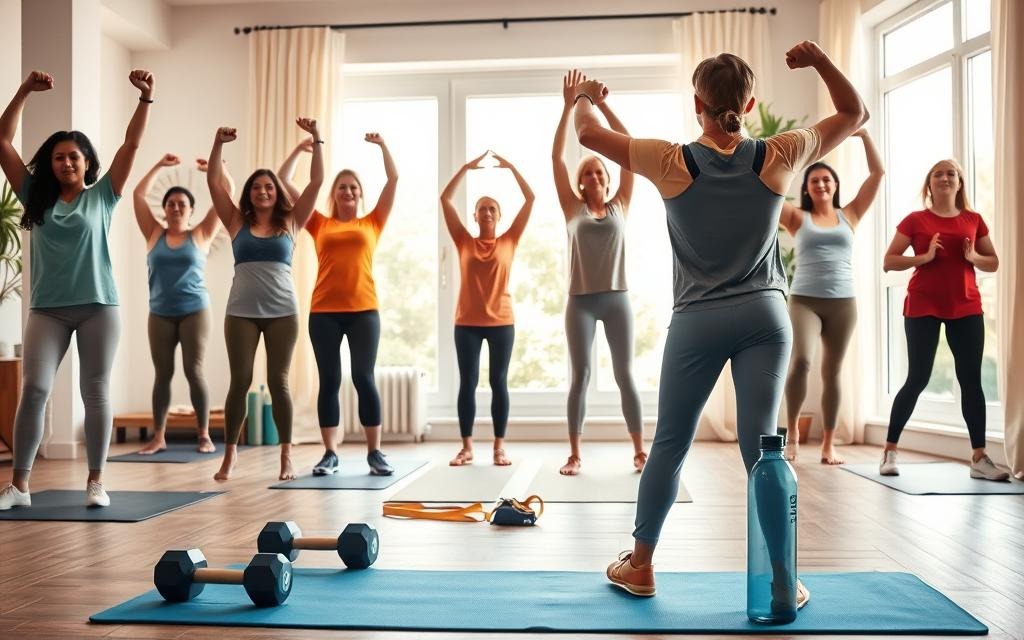
Feeling ready to improve your health but unsure where to begin? You can absolutely build a successful fitness routine without stepping foot in a gym. This complete guide for beginners will show you exactly how to start exercising at home safely and effectively. With the help of this guide, you can start your fitness journey and develop a healthy habit by transforming your space and schedule, even as a beginner.
Why Start Exercising at Home
Transform your fitness journey by starting at home, where convenience, affordability, and comfort come together. Forget expensive gym memberships and travel time—home workouts give you total control.
Benefits of Home Workouts
With the freedom to exercise anytime, you eliminate the biggest barriers and make real progress toward your health goals without feeling awkward.
Overcoming other common Challenges
Many individuals find it hard to start due to some common issues. This approach also assists in addressing common challenges such as limited time and insufficient motivation.
| Barrier | Home Workout Solution |
|---|---|
| Lack of Time | Short, 10-minute workouts |
| Lack of Motivation | Variety of exercises and routines |
| Intimidation | Comfort of your own home |
Mental and Physical Health Advantages
Regular home workouts boost your mental and physical health. This approach helps in reducing stress, increasing energy level , and improving mood. To achieve this level simple exercises like yoga or body weight workouts are very helpful.
Assessing Your Current Fitness Level
Knowing your current level of fitness is critical to achieve reasonable fitness goals. It enables you to determine your best and worst fitness abilities. Therefore, you can create an exercise program tailored specifically to your needs.
Use Sample Self-Test Assessments.
Several simple self-test assessments measure your level of fitness. Each measure will provide insight into your personal level of strength for physical activity such as walking and jogging.
Cardiovascular Endurance Check
One way to determine your level of cardiovascular endurance, or how well your heart functions, is to decide how long you can walk at a rapid tempo (i.e., fast) before stopping. Try walking quickly for 1 mile and see how long it takes.
Strength and Flexibility Evaluation
Test your strength by doing push-ups. See how many you can do in a row. For flexibility, try stretching, like touching your toes. Record how far you can stretch to track your progress.
| Test | Your Result | Average for Beginners |
| 1-Mile Walk Time | _____ minutes | 15-20 minutes |
| Push-ups in a Row | _____ push-ups | 5-10 push-ups |
| Flexibility (Touching Toes) | _____ inches from toes | 0-5 inches from toes |
How to Set a Benchmark
You can establish a benchmark using this information by determining the first test results before you begin making changes. It gives you a place to monitor how far you’ve advanced.
How to Start Exercising at Home Safely
Deciding to Start Exercising at Home is exciting, and it’s a great way to start your fitness journey. But there are important things to keep in mind for safety.
Warm Up First
Every Home workout routine should begin with a quick warm-up. It gets your muscles ready, boosts blood flow, and lowers injury risk. Add easy dynamic stretches like leg swings or arm circles to loosen up your muscles.
Focus on Form
Good form is everything. Keeping your back straight, engaging your core, and making sure your knees don’t go past your toes (especially during squats) helps you work the right muscles and avoid unnecessary strain.
Preventing Common Injuries
Take things slowly, especially if you are just starting out. Do not push too hard; instead, start with easy workouts and gradually raise the intensity. Listening to your body is a key to a long, healthy fitness journey.
When to Consult a Healthcare Professional
If you have any health concerns, it’s smart to check in with a healthcare professional before starting. They can give you advice and help create a safe, effective plan for exercising at home.
Home Workout Routines for Beginners
There’s no need to go to a gym when you can exercise from the comfort of your own home. As a beginner, beginning an exercise routine is made easier and safer by being able to do it from home.
10-Minute Routines for Those with Busy Lives
If you have tight schedules, 10-Minute workouts can fit the bill. You can do them with cardio, body weight exercises or yoga flows.
Example: When you wake up, do a 10-minute routine that consists of 5 minutes of jumping jacks and 5 minutes of squats and push-ups.
Beginner Full-body Routines
For the beginner, starting a full-body routine is the best way to start. Many muscles will be worked simultaneously and this will burn the most calories.
Basics of Bodyweight Exercises
Bodyweight exercises such as squats, lunges, push-ups and planks should be your primary exercises. These will target many of your body’s muscles at once and will not require any equipment.
Circuit training
Circuit training involves doing exercises with minimal breaks to keep your heart rate elevated and gain strength.
An example of a circuit could consist of three sets of ten repetitions of squats, push-ups, and lunges with a 30-second rest in between each set.
Strength Training Basics
Strength training is fundamental to building muscle and elevating one’s metabolism; therefore, beginners should begin with body weight or lighter weights.
Tip: A good method to start is to use lighter weights and higher repetitions to develop endurance before increasing the weights.
Low-impact forms of cardiovascular training include walking at a fast pace, riding a bicycle, and swimming. Each of these is gentle to the joints and beneficial to the cardiovascular system.
Flexibility and Mobility Exercises
Incorporating flexibility and mobility exercises such as yoga or stretching is advantageous for expanding your range of motion and decreasing the potential for injury or strain.
Tip: A good rule of thumb to follow is to spend at least 10 minutes stretching each of the major muscle groups following a workout.
Nutrition and Hydration for Home Exercisers
To maximize the effectiveness of your home workouts, you should consider what to eat and drink. Proper nutrition gives your body the fuel it needs for workouts and helps with recovery.
Pre and Post-Workout Nutrition
Pre-workout nutrition should consist of carbohydrates (for energy) and protein (to support muscles). A banana with peanut butter is an excellent pre-workout snack. A post-workout snack should consist of protein to aid in the recovery of muscles, which should be consumed within 30 minutes of completion of your workout.
Hydration Guidelines
Staying adequately hydrated is important for both your performance and overall health. It is recommended that you drink at least 8 to 10 glasses of water daily, in addition to hydrating before, during, and after workouts.
| Hydration Timing | Amount of Water |
| Before Workout | 16-20 oz |
| During Workout | 7-10 oz every 10-20 minutes |
| After Workout | 16-24 oz for every pound lost |
Nutrition for Energy & Recovery
Plan your daily meals; you’ll feel much better with all of the proper nutrients in each meal. Carbohydrates, protein, healthy fats. Eating grilled chicken, brown rice and steamed vegetables is an excellent example of what to look for when choosing a meal.
Nutrition Mistakes to Avoid
Make sure you’re eating enough protein for muscle recovery. Don’t rely solely on processed foods to fuel your body and achieve your fitness goals; instead, focus on whole/healthy foods that provide your body with the nutrients it needs to be successful.
Conclusion
Starting your fitness journey doesn’t have to be complicated. When you Start Exercising at Home, focus on your current fitness level, create a simple space to move, and build a home workout routine that feels doable. Keep your form in check, listen to your body, and ask a professional if you’re unsure about anything.
As you improve, slowly challenge yourself while giving your body time to rest. Stay consistent, keep adjusting your routine, and you’ll be amazed by the progress you make.
FAQ
What are the best exercises to start with at home?
Start with bodyweight exercises like push-ups, squats, and lunges. You can also try simple yoga routines. Follow along with online workout videos for guidance.
Do I need any equipment to start exercising at home?
No, you don’t need equipment to start. Bodyweight exercises are a great way to begin. But, if you prefer, you can get a yoga mat, resistance bands, or dumbbells.
How often should I exercise at home?
Aim to exercise 3-4 times a week. Make sure to have at least one day of rest in between. As you get more comfortable, you can increase the frequency and intensity of your workouts.
What are some beginner-friendly home workout routines?
Try 10-minute workouts, full-body workouts, or simple circuit training. Online resources like Nike Training Club, YogaGlo, or Peloton Digital offer great routines for beginners.
How do I track my progress when exercising at home?
Use a fitness tracker, journal, or apps like MyFitnessPal or Strava. They help you track your workouts, weight, and measurements. This keeps you motivated and shows your progress.
Can I get injured while exercising at home?
Yes, injuries can happen if you don’t warm up, use the wrong form, or overdo it. Listen to your body, start slow, and talk to a healthcare professional if you’re worried.
How can I stay motivated to exercise at home?
Find a workout buddy, schedule your workouts, and reward yourself for milestones. Mix up your routine, try new exercises, and follow online videos to keep it interesting.