Introduction
Healthy shoulders are essential for everyday activities, athletic performance, and injury prevention. I’ve seen countless people neglect their shoulders until pain forces them to pay attention. Your shoulders are the most mobile joints in your body, capable of moving through an incredible range of motion—but this mobility comes at a cost. Without proper strengthening and flexibility work, shoulder injuries become almost certain.
As an experienced trainer I have learned this hard lesson early in my career. In this guide I’ll provide a ultimate guide for shoulder exercise, and safety tips for strength and flexibility which are essential for body fitness.
Why Shoulder Strength and Flexibility Matter
Before we dive into exercises, you need to understand what you’re working with. Your shoulder isn’t just one muscle—it facilitates virtually every upper-body movement. A well-balanced shoulder training routine delivers several key benefits:
- Enhanced Range of Motion: Improves functional mobility for daily tasks and sport-specific movements. (Healthline)
- Improved Muscle Balance: Strengthens both the large deltoid muscles and the smaller stabilizers like the rotator cuff. (ACE Physical Therapy)
- Posture Support: Strong, flexible shoulders help maintain upright posture and reduce spinal strain. (ACE Physical Therapy)
- Injury Prevention: Balanced strength and elasticity around the joint reduce the risk of tendonitis, impingement, and strain injuries. (Healthline)
The Foundation: Mobility Before Strength
Here’s something most trainers won’t tell you: if you can’t move your shoulders through their full range of motion without weight, adding resistance will only reinforce poor movement patterns.
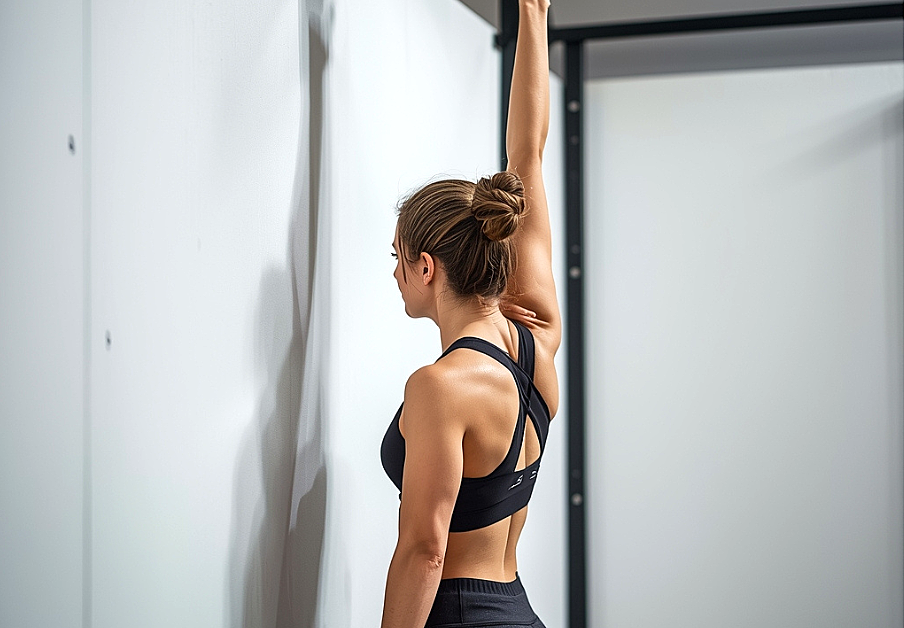
Shoulder Mobility Assessment
Stand facing a wall, about six inches away. Raise one arm overhead, keeping your elbow straight and trying to touch the wall with your thumb. If your lower back arches significantly or your ribs flare out, you have mobility restrictions that need addressing first.
Shoulder Strengthening Exercises (Actionable Workouts)
The following exercises target both major and minor shoulder muscles for balanced strength:
1. Overhead Press
A core strength builder for deltoids and triceps.
How to: Stand or sit with dumbbells at shoulder height, press overhead until arms are straight, then lower slowly.
Sets/Reps: 3 sets of 8–12 reps. (Holmes Place)
2. Lateral Raises
Targets side deltoids to improve width and shoulder shape.
How to: Raise dumbbells out to the sides until level with shoulders; control the descent.
Sets/Reps: 3 sets of 10–15 reps. (Holmes Place)
3. Face Pulls
Develops rear deltoids and upper back, enhancing posture and shoulder stability.
How to: Using a band or cable, pull handles toward your face with elbows high.
Sets/Reps: 3 sets of 12–15 reps. (Holmes Place)
4. Shrugs
Strengthens the upper trapezius and supports scapular movement.
How to: Hold dumbbells and shrug shoulders up toward ears, pause, then lower.
Sets/Reps: 3–4 sets of 12–20 reps. (ACE Physical Therapy)
5. Push-Ups
A classic compound move that builds shoulder, chest, and core strength.
Modification: Perform on knees if the standard is too challenging.
Sets/Reps: 3 sets of 10–15 reps. (ACE Physical Therapy)
Flexibility and Mobility Routines
Greater shoulder flexibility enhances movement quality and reduces injury risk. Integrate these stretches daily, or at least after workouts:
Doorway Chest & Shoulder Stretch
- How to: Stand in a doorway with arms at shoulder height, step forward until you feel a stretch across chest and shoulders.
- Hold: 30–60 seconds.
Shoulder Circles
- How to: Stand upright and gently circle arms forward and backward to warm up the joint.
- Repetitions: 10–15 each direction. (SQUATWOLF)
Band Shoulder Dislocates
- How to: Hold a resistance band wide; move it overhead and behind your back, then return overhead.
- Reps: 8–12 slow, controlled motions. (SQUATWOLF)
Child’s Pose (for mobility)
- How to: From hands and knees, sit back onto your heels while reaching arms forward to lengthen shoulder muscles.
- Hold: 30–60 seconds.
Programming Guidelines
To maximize results while minimizing risk:
- Frequency: Aim for shoulder strength training 2–3 times per week.
- Warm-Up: Always begin with light mobility work (arm circles, light band work).
- Progressive Load: Increase reps or resistance over time for continued gains.
- Rest: Allow 48 hours between heavy shoulder sessions to support recovery.
Common Mistakes That Derail Progress
In my years of coaching, I’ve identified the most frequent errors:
1. Training through pain: Discomfort and fatigue are normal; sharp pain is not. If something hurts, stop and reassess.
2. Neglecting the posterior chain: For every pressing movement, do 1.5-2 pulling movements. This ratio has proven ideal for shoulder health.
3. Going too heavy too soon: Shoulder muscles respond better to moderate weights and higher repetitions initially. Build the foundation first.
4. Skipping warm-ups: Five minutes of arm circles and band work prevents weeks of recovery time.
Conclusion
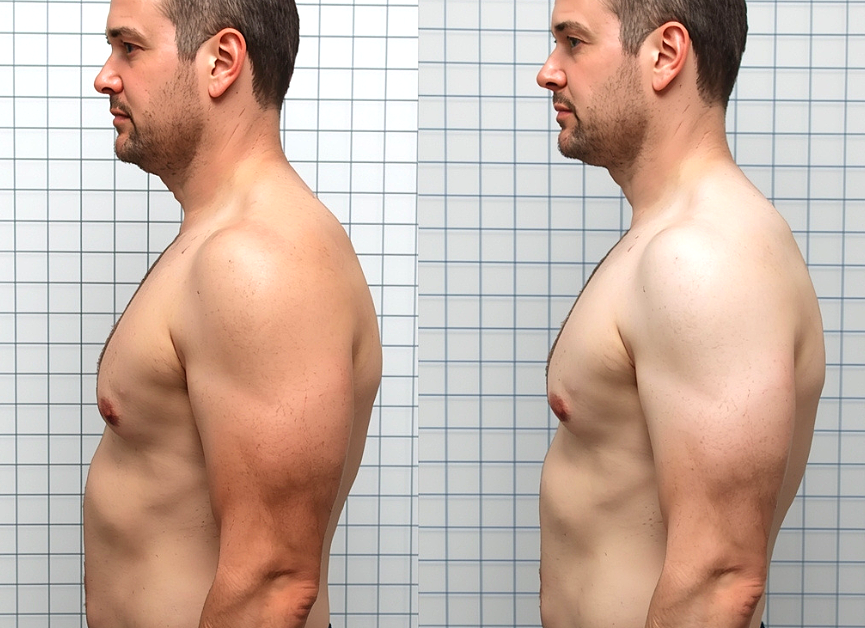
Structured shoulder training that includes both strength and flexibility exercises are essential for joint health, posture, athletic performance, and daily function. By following this guide, you’ll build more resilient shoulders and reduce the risk of pain or injury.
If your shoulders are painful or you have a medical condition, consult a physical therapist for personalized guidance.