Introduction
Many people train consistently yet struggle to see real progress. In most cases, the issue is not effort or discipline—it is nutrition timing. What you eat before and after a workout directly affects energy levels, performance, muscle growth, and recovery.
Workout nutrition is not about extreme diets or complicated rules. It is about providing your body with the right fuel at the right time. When nutrition aligns with training, results improve faster and feel more sustainable.
This guide explains exactly what to eat before and after a workout, why it matters, and how to apply it based on your fitness goals.
Why Pre-Workout Nutrition Is Important
Your body relies on stored energy to perform physical activity. Without proper fuel, workouts feel harder, performance drops, and muscle breakdown increases.
Benefits of Eating Before a Workout
- Improved energy and stamina during exercise
- Better strength and endurance output
- Reduced muscle breakdown
- Improved focus and training quality
Skipping a pre-workout meal often leads to early fatigue, dizziness, or reduced training intensity.
Best Time to Eat Before a Workout
2–3 Hours Before Training (Full Meal)
This option allows time for digestion and is ideal for planned workouts.
Best for:
- Morning workouts with preparation time
- Evening gym sessions after work
30–60 Minutes Before Training (Light Snack)
This works well when time is limited.
Best for:
- Busy schedules
- Short or moderate workouts
What to Eat Before a Workout
An effective pre-workout meal includes three key nutrients:
1. Carbohydrates (Primary Energy Source)
Carbohydrates refill glycogen stores and support endurance.
Good options:
- Oatmeal
- Brown or white rice
- Sweet potatoes
- Whole-grain bread
- Fruits like bananas or berries
2. Protein (Muscle Support)
Protein provides amino acids that protect muscle tissue.
Good options:
- Eggs
- Greek yogurt
- Chicken or turkey
- Tofu or tempeh
- Protein powder
3. Healthy Fats (Optional, Moderate Amount)
Fats support hormone balance but should be limited close to workouts.
Good options:
- Nuts
- Nut butter
- Avocado
- Olive oil
Pre-Workout Meal Examples
Meals (2–3 Hours Before)
- Oatmeal with berries and nut butter + eggs
- Grilled chicken, rice, and vegetables
- Greek yogurt with granola and fruit
Snacks (30–60 Minutes Before)
- Banana with peanut butter
- Protein smoothie with fruit
- Rice cakes with honey
Are Pre-Workout Supplements Necessary?
Whole foods should always come first. However, some supplements can help when used correctly:
- Caffeine (150–200 mg): Improves focus and endurance
- Creatine (5 g daily): Supports strength and muscle growth
- Beta-alanine: Helps delay muscle fatigue
Supplements enhance nutrition—they do not replace it.
Post-Workout Nutrition: What Really Matters
Post-workout meals support muscle recovery, repair, and glycogen replenishment. While the old idea of a strict 30-minute window is outdated, timing still plays a role.
Ideal Post-Workout Timing
- Within 1–2 hours after training
- Earlier intake can speed up recovery and reduce soreness
What to Eat After a Workout
1. Protein (Recovery and Muscle Repair)
Aim for 30–40 grams of protein.
Good options:
- Whey or plant-based protein
- Chicken, fish, or eggs
- Lentils or beans
2. Carbohydrates (Energy Refill)
Carbohydrate needs depend on workout intensity.
General range:
- 40–80 grams of carbohydrates
Good options:
- Rice
- Potatoes
- Oats
- Fruit
3. Low Fat Intake
Lower fat helps nutrients absorb faster after training.
Post-Workout Meal Examples
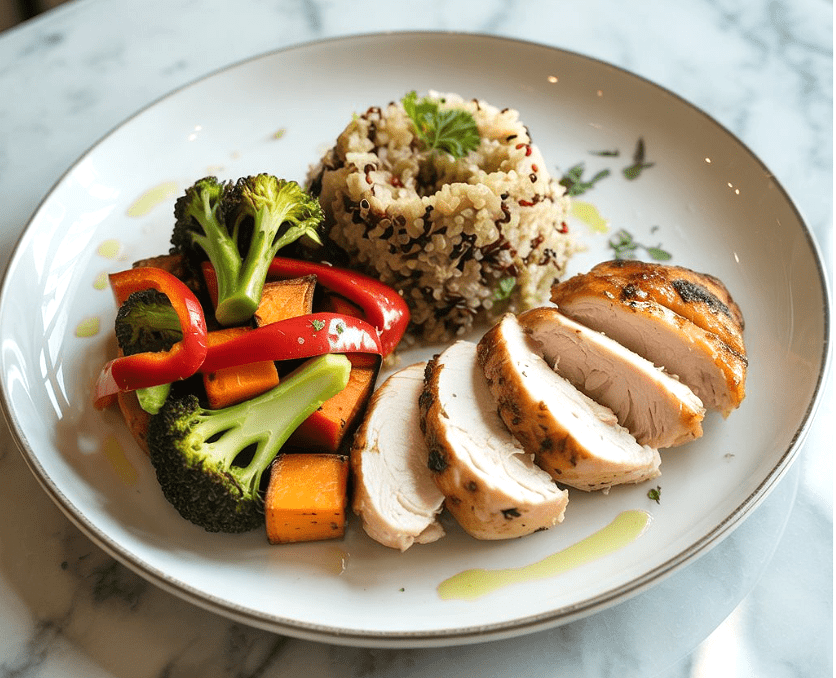
- Salmon with sweet potato and vegetables
- Chicken and rice with mixed vegetables
- Lentils with quinoa and roasted vegetables
- Protein shake with fruit and oats (when short on time)
Hydration and Electrolytes
Hydration is often overlooked but essential for performance and recovery.
Hydration Guidelines
- Before training:
16–20 oz water 2–3 hours before - During training:
Small sips every 10–20 minutes - After training:
Replace fluids lost through sweat
For intense or long workouts, adding electrolytes can be beneficial.
Common Workout Nutrition Mistakes
- Training completely fasted without a clear strategy
- Skipping post-workout meals consistently
- Relying only on protein shakes
- Overcomplicating meal choices
- Ignoring hydration
Simple, consistent habits outperform complex plans.
Adjusting Nutrition for Your Goal
For Muscle Gain
- Higher carbohydrates and protein
- Larger pre- and post-workout meals
For Fat Loss
- Moderate carbohydrates
- High protein intake
- Never skip meals entirely
For Endurance Training
- Carbohydrate-focused meals
- Consistent fueling before long sessions
Simple Action Plan
Week 1:
Establish a consistent pre-workout meal
Week 2:
Add a reliable post-workout meal
Week 3:
Adjust portions based on energy and performance
Week 4:
Track strength, recovery, and overall progress
Conclusion: Consistency Delivers Results
Workout nutrition does not need to be perfect—it needs to be consistent. Eating the right foods before and after training improves energy, recovery, and long-term results.
Choose meals that fit your schedule, budget, and preferences. When nutrition supports your workouts, progress becomes easier, more noticeable, and more sustainable.
Your next workout starts with your next meal.