The Ultimate Full-Body Workout with the Squat and Press Exercise
In today’s fast-paced world, setting aside time for a workout might seem like an unreachable dream. We’re constantly assaulted with intricate training programs and promises of quick results, yet the simplest methods are frequently the most successful. What if I told you that you could gain ultimate full-body strength, increase your functional fitness, and dramatically improve your overall well-being with only one painstakingly designed exercise? The solution is not to spend more time, but to invest it more wisely.
Enter the Squat and Press exercise, a powerful compound action that has quietly fueled great athletes and fitness lovers for decades. This isn’t simply another popular fitness craze; it’s a fundamental practice that unleashes actual power and resilience throughout your entire body, from lifting groceries to playing with your kids.
Why the Squat and Press Exercise Reigns Supreme for a Full-Body Workout
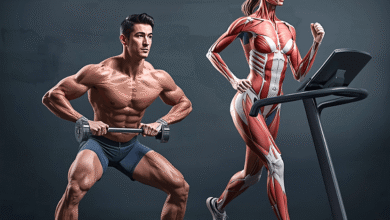
The Squat and Press exercise is appealing because of its synergistic nature. It’s not about isolating certain muscles; it’s about creating a symphony of movement that involves your complete kinetic chain. By seamlessly mixing the lower-body power of a squat with the upper-body strength of an overhead press, it generates a powerful stimulus that results in considerable gains across a wide range of muscle groups.
Let’s break down the core benefits:
- Quadriceps & Glutes: The squat exercise targets the quadriceps and glutes, the lower body’s powerhouse. This increases explosive strength for exercises such as leaping, jogging, and stair climbing, while also greatly improving lower body stability.
- Core Stabilisation: Maintaining appropriate form throughout Squat and Press exercises requires consistent core activation. Your abdominals and obliques work tirelessly to stabilise your spine, avoiding damage and building a stable foundation. This leads to improved posture, balance, and general stability in daily life.
- Shoulder and Arm muscles: Overhead presses strengthen and define the shoulder and arm muscles (deltoids and triceps). It enhances your capacity to lift items high, haul big loads, and accomplish duties requiring upper-body strength.
- Functional Fitness Masterclass: Unlike isolated workouts, the Squat and Press exercise simulates real-world motions. It develops your body to function as a cohesive one, allowing you to do daily chores with more ease and efficiency. Consider effortlessly carrying groceries, playing with your children, or completing home duties without strain. This is the power of functional fitness.
Safety First: A Crucial Caveat
While the Squat and Press exercise is quite effective, it’s important to proceed with care. It may not be appropriate for everyone, particularly those with pre-existing injuries or certain health issues. If you have any worries about your knees, back, shoulders, or any other part of your body, speak with a doctor or physical therapist before doing this action. Listen to your body, and if you feel discomfort, stop immediately. Your health and well-being are most important.
Your No-Gym-Required Guide to the Squat and Press Exercise
One of the most appealing aspects of the Squat and Press exercise is its accessibility. You don’t need a fancy gym membership or expensive equipment to reap its rewards. Here’s what you’ll need to get started:
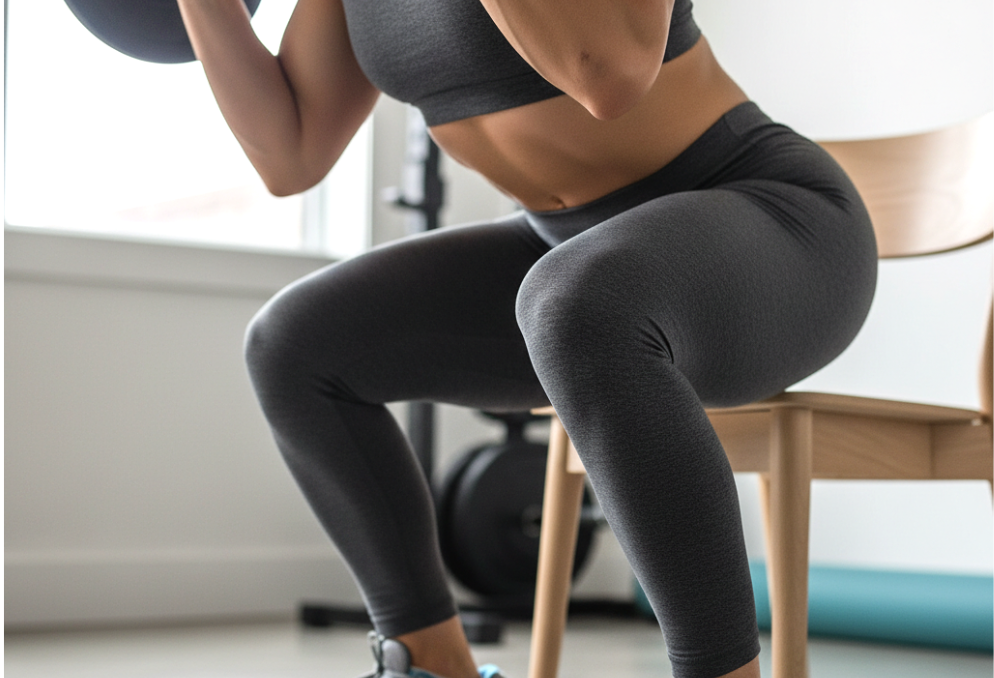
1. A Sturdy Chair: A standard dining room chair is perfect. Its height provides a visual cue for the correct squatting depth and helps maintain proper form.
2. A Light Weight: A single dumbbell is ideal, but if you don’t have one, get creative! A durable tote bag filled with books, canned goods, or even water bottles can provide a challenging yet manageable weight. Remember, the goal is to maintain proper form throughout the exercise, not to lift the heaviest weight possible right away.
The Step-by-Step Squat and Press Exercise: A Detailed Breakdown
Ready to unlock your strength potential? Follow these detailed instructions to perform the Squat and Press exercise correctly and safely:
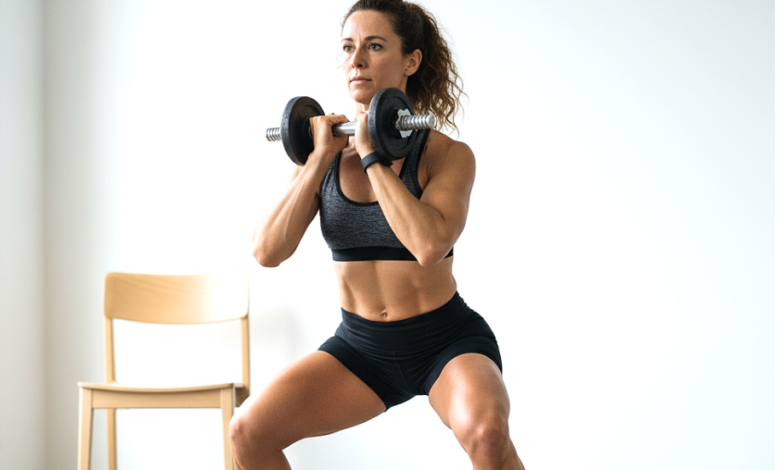
1. Starting Position: Stand with your feet shoulder-width apart, toes slightly pointed outward. Hold the dumbbell (or weighted tote bag) at chest height, close to your body. Maintain a neutral spine and engage your core muscles.
2. The Squat: Initiate the squat by pushing your hips back and bending your knees, as if you’re about to sit in a chair. Lower your body until your thighs are parallel to the floor, or until your buttocks gently touch (or hover just above) the chair behind you. Keep your back straight, chest up, and core engaged throughout the movement. Ensure your knees track in line with your toes – avoid allowing them to cave inward.
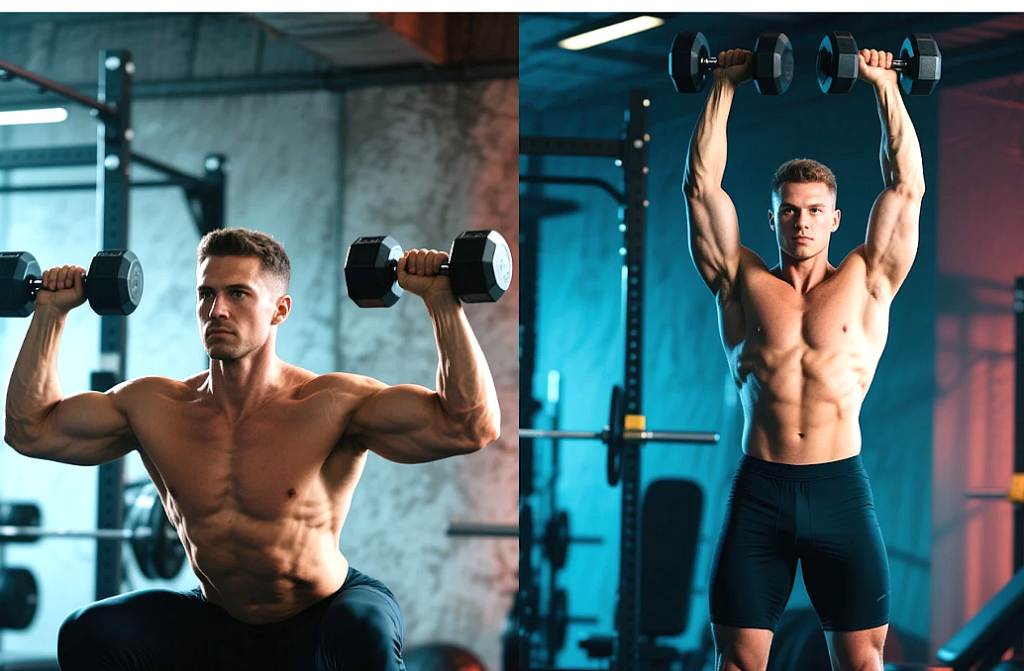
3. The Press: As you stand back up from the squat, engage your glutes and hamstrings to drive your hips forward. Simultaneously, use the momentum to press the weight directly overhead, fully extending your arms. Maintain a stable core and avoid arching your back excessively.
4. Lowering: Slowly and controlled, lower the weight back down to chest height. This controlled descent is just as important as the upward press, as it helps to build strength and stability.
5. Repetitions and Sets: Aim for 2-3 sets of 8-12 repetitions. Choose a weight that challenges you but allows you to maintain perfect form throughout each rep.
6. Frequency: Perform this Ultimate Full-Body Workout with the Squat and Press exercise 2-3 times per week, allowing for rest days in between to allow your muscles to recover and rebuild.
Mastering the Squat and Press Exercise: Avoiding Common Mistakes
Even with clear instructions, it’s easy to make common mistakes that can hinder your progress or even lead to injury. Here are a few pitfalls to avoid:
- Rounding Your Back: Maintaining a straight back is crucial. Avoid rounding your shoulders or leaning too far forward during the squat.
- Knees Caving In: Ensure your knees track in line with your toes throughout the squat. If your knees tend to cave inward, focus on activating your glute muscles.
- Using Momentum Instead of Strength: Control the weight throughout the entire movement. Avoid using momentum to swing the weight overhead.
- Arching Your Back Excessively During the Press: Engage your core and maintain a neutral spine throughout the press. Avoid arching your back excessively to compensate for a lack of strength.
Progression and Regression: Tailoring the Exercise to Your Needs
The Squat and Press exercise is incredibly versatile because it can be easily modified to suit different fitness levels.
- Regression (Making it Easier): If you’re new to this exercise, start without any weight and focus on mastering the squat form. You can also use a higher chair to reduce the range of motion.
- Progression (Making it Harder): As you get stronger, gradually increase the weight you’re using. You can also try performing the squat without the chair for a greater challenge. For advanced users, consider transitioning to a barbell Squat and Press exercise, but only under the guidance of a qualified trainer.
Elevate Your Fitness Journey with the Squat and Press Exercise
The Squat and Press exercise is more than simply a workout; it’s a step towards realising your full potential. By mastering this fundamental movement, you will increase your strength, functional fitness, and general well-being. So, abandon the intricate regimens and embrace the simplicity of the Squat and Press workout, and start your Ultimate Full-Body Workout adventure now.
Remember to put safety first, listen to your body, and enjoy the great benefits. Now, get out there and start creating the strength you deserve!

3 Comments