
7 Steps to Build a Sustainable Healthy Diet
Introduction — Why a Sustainable Healthy Diet Matters
A sustainable diet doesn’t require you to give up everything you love. Instead, it encourages smarter choices, mindful eating, and transform your entire health.
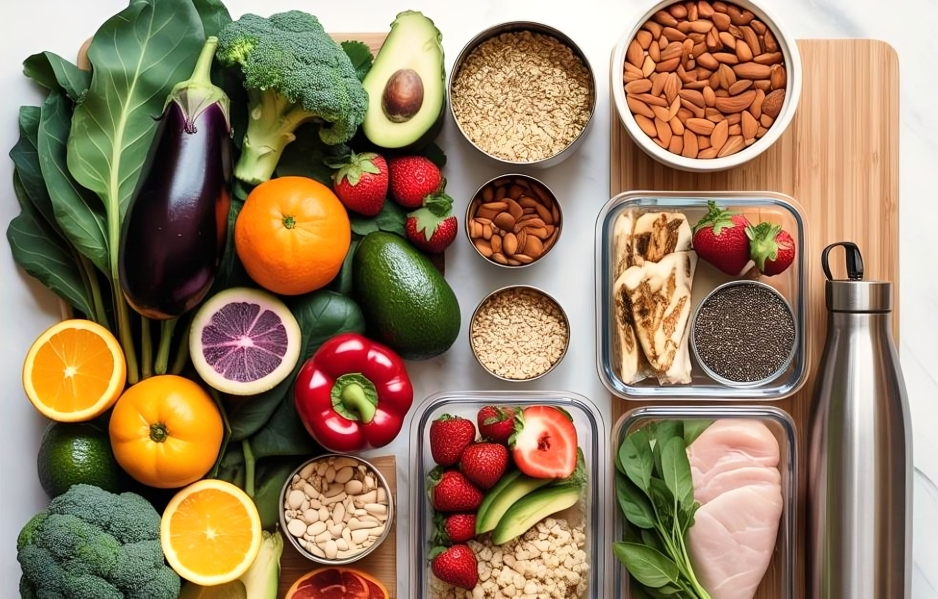
Have you ever tried a diet that worked for the first few weeks… and then suddenly didn’t? You’re not alone. Most people start their “healthy eating journey” with enthusiasm, only to discover that strict diets are hard to maintain. That’s exactly why a sustainable healthy diet stands out—because it’s not a temporary fix. It’s a long-term lifestyle shift built on balance, real food, and habits you can actually stick to.
Let’s walk through the 7 most effective steps to help you build a healthy diet that stays with you for life.
Step 1 — Understand Your Body’s Nutritional Needs
Before you change your eating habits, you first need to understand what your body actually needs. Every person is different, and nutrition is not a one-size-fits-all game.
Identifying Macro and Micro Nutrient Needs
Your body needs:
- Carbohydrates for energy
- Proteins for muscle repair and growth
- Healthy fats for brain function and hormone balance
- Vitamins and minerals for immunity, skin, digestion, and more
A sustainable diet includes all of these in balanced amounts—no extreme cutting or overconsumption.
Why Personalization Matters
Your nutrient needs depend on:
- Your age
- Activity level
- Weight goals
- Health conditions
Understanding this helps you build a diet plan that’s realistic and enjoyable.
Step 2 — Build Your Plate Around Whole, Natural Foods
If there’s one rule that guarantees better health—it’s choosing foods in their most natural form.
Processed foods come from factories. See the difference?
Whole foods give you:
- More nutrients
- More fiber
- Natural energy
- Fewer chemicals
Your body recognizes whole foods better and digests them more efficiently.
Selecting Nutrient-Dense Ingredients
Try concentrating on “eating better” rather than “eating less.”
Foods that provide a variety of vitamins, minerals, antioxidants, and healthy fats in every mouthful are considered a nutrient-dense dinner.
How to Shop Smarter at the Grocery Store
Here’s a secret: Stick to the outer aisles.
This is where you’ll find:
- Fresh produce
- Lean proteins
- Dairy
- Eggs
- Whole grains
The inner aisles are mostly where ultra-processed foods live.
Step 3 — Master Balanced Meals (The 50/25/25 Plate Method)
If your meals feel unbalanced, your energy will too. The 50/25/25 method helps create harmony in your diet and body.
Take Proteins (25%)
Protein repairs tissues, builds muscle, and keeps hunger away.
Great options include:
- Chicken
- Fish
- Eggs
- Yogurt
- Beans
- Tofu
Good Fats (25%)
Healthy fats come from:
- Olive oil
- Nuts
- Seeds
- Avocado
- Fish
These support your brain, absorption of nutrients, and hormone balance.
Hydration as Part of Balance
The missing element is commonly consuming water. Depending on your degree of activity, strive for 2 to 3 liters each day.
Step 4 — Practice Portion Control Without Feeling Deprived
Sustainable dieting isn’t about eating tiny amounts—it’s about eating the right amounts.
Visual Guide for Portions
A simple trick:
- Your palm = your protein size
- Your cup-shaped hand = carbs
- Your thumb = fats
- Two handfuls = veggies
This method works anywhere—home, restaurants, or travel.
Slow Eating Method
It takes around 20 minutes for your brain to recognize that you are full.
Try:
- Taking smaller bites
- Chewing thoroughly
- Putting down your fork between bites
You’ll end up eating less while enjoying more.
Step 5 — Create Sustainable Eating Habits You Can Maintain
Consistency beats perfection every time.
Meal Planning
Planning ahead for meals can decrease the likelihood of impulsive eating and enhance your capacity to achieve your desired outcomes.
Try planning 3–4 days ahead.
Meal Prepping
Making meals ahead of time helps you prevent making unhealthy last-minute choices.
Consider:
- Cook once, eat twice
- Prep veggies for the week
- Prepare snacks like yoghurt cups or nuts.
Behaviour Changes That Stick
Rather than eliminating everything bad, start adding more good things. Eventually, the healthy habits naturally take over.
Step 6 — Reduce Sugar, Salt, and Ultra-Processed Foods
These three are the primary contributors to weight gain, inflammation, and chronic diseases.
Hidden Sources of Sugar
You’ll find sugar hiding in:
- Sauces
- Ketchup
- Bread
- Granola
- Breakfast cereals
- Juices
Reading labels will change your life.
The “Swap Instead of Stop” Method
Rather than imposing a hard limit, try substituting bad foods with healthier alternatives.
As a result, cravings are reduced and your diet is more sustainable.
Step 7 — Build a Mindful Relationship With Food
Food is fuel, but it is also a source of emotional comfort, cultural connection, and happiness.
Eating With Intention
Slow down. Appreciate your meals. Remove distractions like phones, TV, or multitasking while eating.
Understanding Food Triggers
Notice patterns:
- Do you snack more when stressed?
- Do you crave sugar when tired?
- Do you eat more while watching movies?
Awareness is the first step toward change.
The Importance of Flexible Eating (80/20 Rule)
Eat healthy 80% of the time, and enjoy treats 20%.
This balance prevents guilt and binge eating while keeping you on track.
Conclusion
Building a sustainable healthy diet doesn’t happen overnight—it’s a journey of small, meaningful changes. When you understand your body, choose whole foods, balance meals, control portions, and build long-lasting habits, your health transforms naturally. The goal isn’t perfection—it’s progress. And every step you take today brings you closer to a healthier, stronger, more energized version of yourself. Start with one step, commit to consistency, and the results will follow.
FAQs
1. How long does it take to build a sustainable healthy diet?
Most people feel improvements within 2–4 weeks, but building lasting habits can take around 2–3 months.
2. Can I still enjoy my favorite foods on a sustainable diet?
Absolutely. The 80/20 rule allows flexibility while maintaining progress.
3. What if I don’t like vegetables?
Start by adding them slowly—mix into smoothies, pair with sauces, or roast them for better flavor.
4. Do I need supplements?
Whole foods should be your first priority, but supplements may help if you have deficiencies. Consult a healthcare provider.


2 Comments