What Is the Total Body Enhancement Machine at Planet Fitness? A Complete Guide
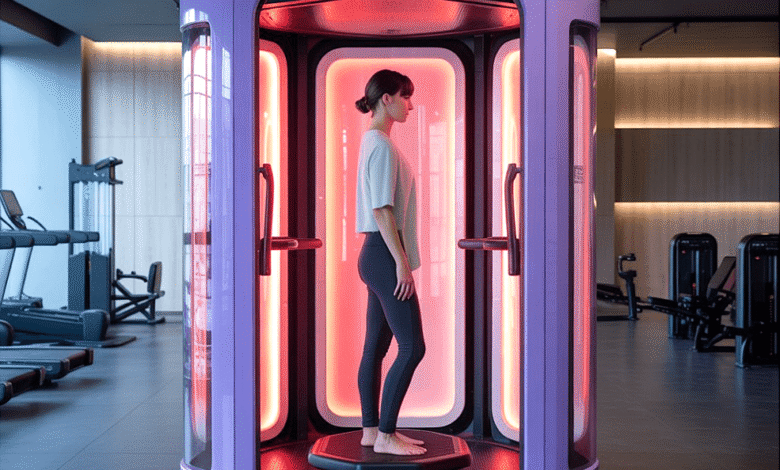
If you have ever walked around a Planet Fitness gym, you may have noticed a tall, purple booth called the Total Body Enhancement machine. Many members feel curious about it. Some feel confused. Others are not sure if it is worth using.
As a fitness trainer who worked with both newbies and frequent gym visitors, I can tell you that this equipment is often misunderstood. It’s not magic. This is not a shortcut. However, when taken appropriately, it could help with recovery, skin health, and general wellness.
This guide explains everything you need to know about the total body enhancement machine at Planet Fitness in simple and honest terms.
What Is the Total Body Enhancement Machine at Planet Fitness?
The total body enhancement machine at Planet Fitness is a comprehensive body improvement program that includes:
- Red light therapy
- Whole-body vibration
It promotes muscular recovery, circulation, and skin attractiveness. This equipment is neither a weight loss device nor a bed for tanning.
You stand inside the booth for a short session, usually around 10 to 12 minutes. During that time, red LED lights surround your body while a vibrating platform moves gently under your feet.
How Does the Total Body Enhancement Machine Work?
This machine works through two main technologies.
Red Light Therapy
Low-level red LED light is used in red light therapy. This light enters the cells beneath the skin and reaches there.
It may help with:
- Muscle recovery
- Blood circulation
- Skin texture
- Joint comfort
The light is non-UV. It does not tan the skin and does not burn it.
Whole-Body Vibration
The platform vibrates at a regulated frequency. This vibration causes the muscles to contract and relax naturally..
Benefits may include:
- Improved blood flow
- Mild muscle activation
- Relaxation after workouts
The vibration level can be adjusted based on comfort.
What Is the Total Body Enhancement Used For?
Many people assume it is for weight loss. That is not accurate.
The total body enhancement machine at Planet Fitness is mainly used for:
- Post-workout recovery
- Muscle relaxation
- Skin wellness
- Circulation support
Some members also use it before workouts as a warm-up tool.
Benefits of the Total Body Enhancement Machine at Planet Fitness
Here are the real benefits, explained honestly.
Promotes muscle recovery
Muscles feel stiff and tired after a tough workout. Red light treatment may alleviate pain by increasing blood flow.
Many members report feeling more relaxed after sessions.
Promotes circulation
Vibration and red light work together to increase circulation. Improved circulation results in greater oxygen supply to muscles.
This can help with quicker healing over time.
May Improve Skin Appearance
Red light therapy is often used in skincare clinics. It may support collagen production.
Some users notice:
- Smoother skin
- Healthier appearance
- Reduced dullness
Results vary from person to person.
Gentle on the Body
This machine does not stress joints. It is suitable for beginners, older adults, and people returning to fitness.
What the Machine Does NOT Do
It is important to be clear.
The total body enhancement machine at Planet Fitness:
- Does not burn fat directly
- Does not replace workouts
- Does not cause instant results
It is a support tool, not a solution.
How to Use the Total Body Enhancement Machine at Planet Fitness
Using the machine is simple.
Step-by-Step Process
- Enter the booth
- Stand on the vibration platform
- Adjust vibration level if needed
- Hold handles for balance
- Complete the session
You can stretch lightly or stand relaxed during the session.
Who Can Use the Total Body Enhancement Machine?
This machine is suitable for most people.
It works well for:
- Beginners
- Regular gym members
- People with muscle soreness
- Those focused on recovery
Who Should Avoid It?
You should avoid it if you:
- Are pregnant
- Have implanted medical devices
- Have severe joint conditions
Always consult a medical professional if unsure.
Is the Total Body Enhancement Machine Safe?
Yes, for most users.
The red light is non-UV and does not damage the skin. The vibration levels are controlled and adjustable.
Planet Fitness staff are trained to explain proper use.
Does the Total Body Enhancement Machine Help With Weight Loss?
This is a common question.
The honest answer is no, not directly.
Weight loss comes from:
- Proper nutrition
- Regular exercise
- Consistent habits
This machine may help recovery, which allows you to train better. That is its role.
Is Total Body Enhancement the Same as Tanning?
No.
This machine does not emit UV rays. It does not tan the skin. It does not darken pigmentation.
Planet Fitness also offers separate tanning services for eligible members.
How Often Should You Use the Machine?
As a fitness professional, I recommend:
- 2 to 4 times per week
Use it after workouts or on rest days. Do not rely on it daily expecting major changes.
Real-World Experience From Gym Members
From experience working with gym clients, reactions vary.
Some people love it for:
- Relaxation
- Recovery days
Others feel minimal effects. That is normal.
Your results depend on:
- Consistency
- Overall fitness routine
- Body response
Is the Total Body Enhancement Machine Worth It?
If you already have access through your membership, it is worth trying.
It works best when:
- Used alongside workouts
- Combined with proper rest
- Seen as a recovery tool
Do not expect miracles. Expect support.
Tips for Getting Better Results
To maximise the benefits:
- Use after strength training.
- Stay hydrated.
- Stretch softly throughout sessions.
- Be consistent.
Small habits result in better outcomes.
Final Thoughts
The total body enhancement machine at Planet Fitness is a wellness tool, not a shortcut. It supports recovery, circulation, and skin health. It works best when used with realistic expectations.
If your goal is better recovery and relaxation, it can be a useful addition to your gym routine.
Fitness is about consistency, not quick fixes.